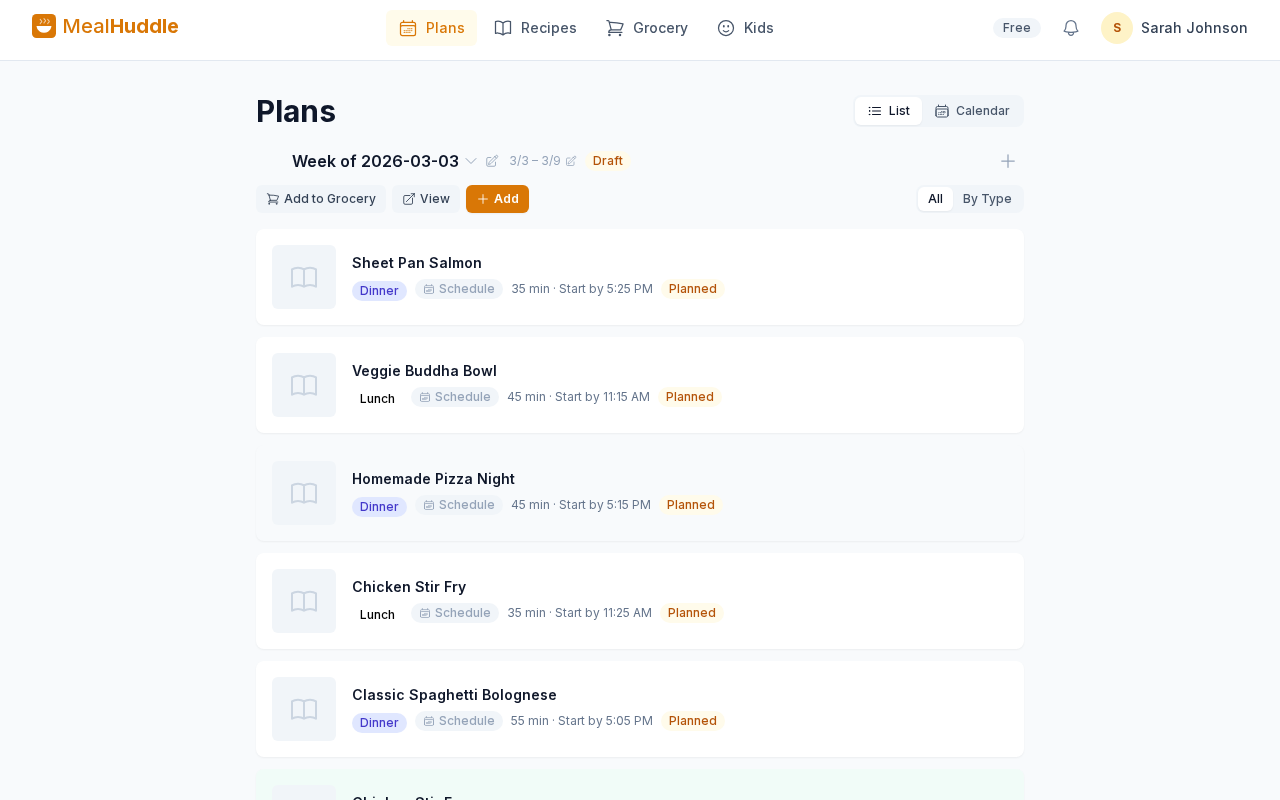
You keep hearing that meal planning will change your life. Less stress, less money spent, less food wasted. But every time you try to sit down and plan, you end up staring at a blank notebook wondering where to start.
Sound familiar? You're not alone — and this guide is for you.
What Is Meal Planning, Really?
At its simplest, meal planning is deciding what you're going to eat before you need to eat it. That's it. It doesn't require a color-coded spreadsheet, a degree in nutrition, or a weekend spent in the kitchen.
Meal planning can be as simple as:
- Choosing a few meals for the week
- Writing down what you need to buy
- Shopping once
- Cooking during the week
The fancy systems and elaborate prep routines? Those are optional upgrades. Start with the basics.
Why Beginners Should Start with Dinner
If you try to plan every meal and snack from day one, you'll burn out by Wednesday. Instead, focus on dinner. Here's why:
- Dinner is the most stressful meal — it's when you're tired and hungry
- It has the most ingredients — so it offers the biggest savings
- It feeds multiple people — planning one dinner serves the whole household
Once you've got dinner planning down, you can extend to lunches and breakfasts. But for now, dinner is your only job.
Your First Meal Plan in 4 Steps
Step 1: Check Your Calendar
Before picking recipes, look at your week. When are you busy? When do you have time to cook?
- Busy nights → Simple meals (15–20 minutes) or slow cooker recipes
- Free nights → Try something new or more involved
- Social nights → Mark as "eating out" or "leftovers" — don't plan a meal you won't cook
Being realistic about your schedule is the #1 predictor of meal planning success.
Step 2: Choose 4–5 Meals
Not 7. Not even 6 for now. Four or five meals give you wiggle room for leftovers, spontaneous plans, or the night where you just want cereal. And that's okay.
Where to find ideas:
- What do you already cook? Start with the meals you can make without a recipe. These are your foundation.
- What's on sale? Check your grocery store's weekly ad. Planning around sales is an easy way to save money. For more strategies like this, see our budget-friendly meal planning guide.
- What sounds good? Don't force yourself to eat things you don't enjoy just because they're "healthy" or "efficient."
Step 3: Write Your Grocery List
Go through each recipe and write down every ingredient you need. Then cross off anything you already have at home. Done.
Organize your list by store section — produce, dairy, meat, pantry, frozen. This makes shopping faster because you won't be zigzagging across the store. Our complete grocery list guide covers exactly what to stock in each category.
Step 4: Shop Once
One trip. That's the goal. Meal planning pays for itself the moment you stop making daily trips to the grocery store. Those "quick stops" for one or two items always turn into $30+ runs.
Beginner-Friendly Meal Ideas
Not sure what to plan? Here are some reliable starters that most people enjoy and are hard to mess up:
Quick meals (under 20 minutes):
- Pasta with jarred sauce and a side salad
- Quesadillas with beans and cheese
- Stir-fry with pre-cut vegetables and rice
Set-it-and-forget-it meals:
- Slow cooker chili
- Sheet pan chicken and vegetables
- Baked pasta or casserole
Crowd-pleasers:
- Taco night (everyone builds their own)
- Homemade pizza with store-bought dough
- Breakfast for dinner — pancakes, eggs, and fruit
Notice the pattern? These are all flexible meals where you can swap ingredients based on what's available or what your household prefers.
The 3 Biggest Beginner Mistakes
1. Planning Too Many New Recipes
You found 7 amazing recipes on Pinterest and you're planning to cook them all this week. Don't. New recipes take longer, require unfamiliar ingredients, and might not turn out the way you expect.
The rule: One new recipe per week, max. Fill the rest with meals you already know.
2. Buying in Bulk Too Early
Bulk buying only saves money if you actually use everything before it expires. Until you know your family's eating patterns, stick to buying what you need for this week's plan.
3. Not Having a Backup Plan
Sometimes the meal you planned just doesn't happen. You're too tired, an ingredient went bad, or plans changed. Having a "emergency meal" in the freezer (frozen pizza, a bag of soup, etc.) means you don't have to abandon the whole plan.
Tips That Make Meal Planning Easier
Use a theme night system. Assign a cuisine or style to each day of the week:
- Monday: Pasta
- Tuesday: Tacos or Mexican
- Wednesday: Stir-fry or Asian
- Thursday: Soup or salad
- Friday: Pizza or takeout
Themes narrow your choices so you're not overwhelmed by infinite options.
Cook double, eat twice. Make a big batch of something on Sunday or Monday and eat it again on Wednesday or Thursday. This isn't boring — it's strategic. For more batch cooking inspiration, check out our ultimate meal prep guide.
Keep a "winners" list. Every time you make something that everyone likes, write it down. After a few months, you'll have a rotation of 20+ proven meals, and planning will take 5 minutes instead of 30.
Share the planning. If you live with others, let everyone contribute ideas. It spreads the mental load and means everyone eats something they chose at least once.
How Long Until It Feels Natural?
Most people say meal planning starts to feel automatic after about 4–6 weeks. The first couple of weeks feel clunky — you'll forget items, over-plan, or under-plan. That's normal.
By week 3 or 4, you'll notice:
- Shopping takes less time
- You're spending less money
- Evenings are less stressful
- You're throwing away less food
And by week 6? You'll wonder how you ever lived without it.
Ready to Start?
Grab a piece of paper (or your phone) and write down 4 dinners for this week. Check what you have at home. Make a list of what you need. Go shopping.
That's meal planning. No spreadsheet required.
If you want something more powerful — like a shared plan that your whole household can see, automatic grocery lists, and a library of your favorite recipes — try MealHuddle. It's free to start and designed for people who are new to meal planning.